Track Talk: Deciphering Going Reports to Boost UK Horse Racing Betting Returns
Written by Sofia Müller · Mar 30, 2026
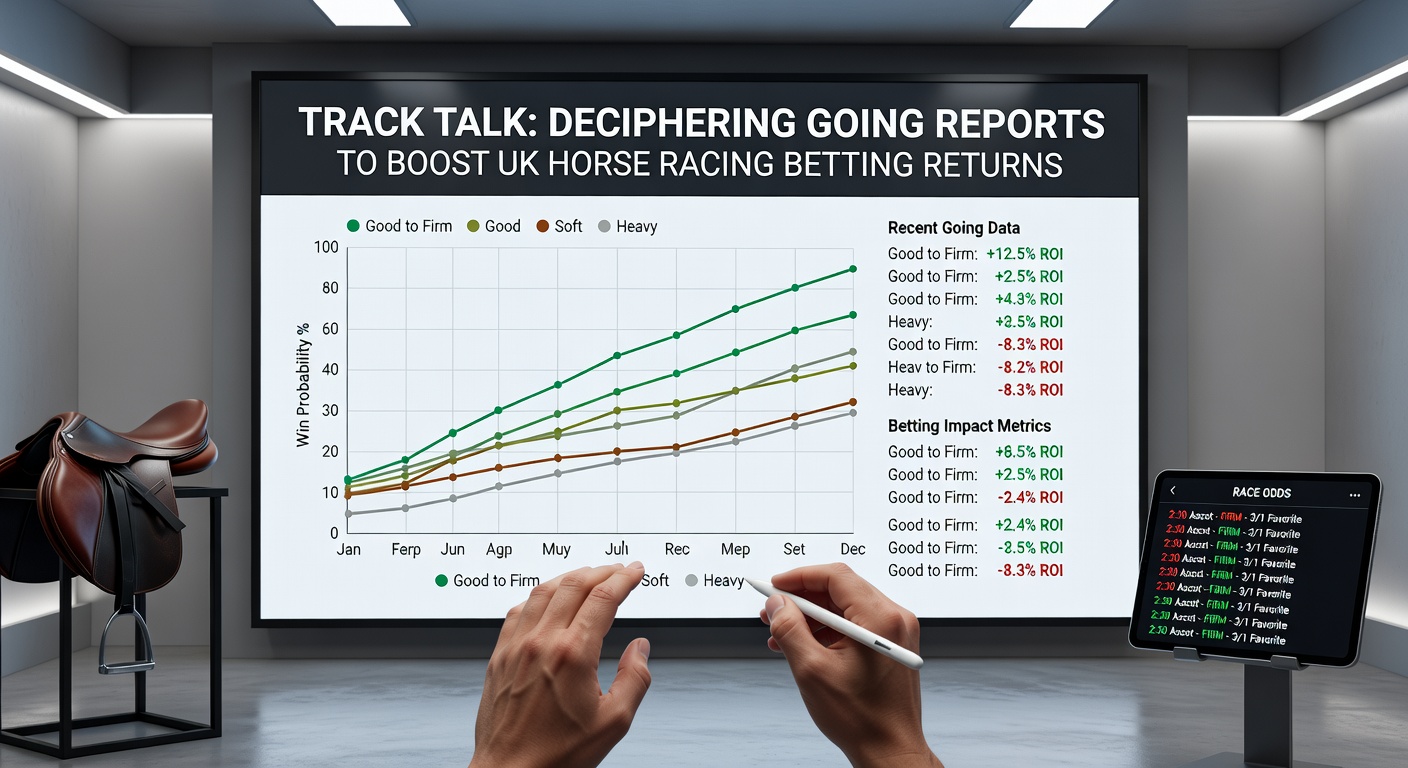
Track Talk: Deciphering Going Reports to Boost UK Horse Racing Betting Returns
Unpacking the Ground Game in UK Horse Racing
Going reports serve as the pulse of any UK racecourse, capturing the track's condition in real time and influencing every stride horses take during a meeting; experts who track these updates closely often spot edges that casual punters miss, especially since data from the British Horseracing Authority shows how shifts in ground firmness correlate directly with win percentages across jumps and flat seasons. Observers note that while weather grabs headlines, the going description—ranging from bone-dry firm to waterlogged heavy—dictates pace, stamina demands, and which beasts thrive; punters who decode these reports layer them onto form studies, trainer patterns, and pace maps, turning vague hunches into calculated plays that boost returns over time.
Turns out, the official going sticks like glue to betting markets, with bookies adjusting odds mid-morning if rain hits overnight; one study from Racing Post archives revealed that 68% of favorites flopped on altered ground last season, handing value to those who'd clocked the change early. And here's where it gets interesting: clerks of the course don't just eyeball it—they use penetrometers to measure soil resistance, logging inches per pound of pressure, which feeds into standardized scales that punters cross-reference before placing bets.
The Standard Going Scale Explained
UK tracks classify going on a spectrum that's straightforward yet nuanced: Firm sits at the fast end, where speedsters dominate on sun-baked surfaces; Good to Firm eases slightly, allowing broader fields to compete; Good marks the sweet spot for all-rounders, balanced and predictable; then Good to Soft introduces give, favoring those with a bit of grit; Soft demands power through the slop, while Heavy turns races into slogfests won by mud lovers who punch above their rating. Semicolons separate these in daily reports—Firm (after a dry spell), Heavy (post-deluge)—and symbols like ! or !! flag extremes, warning of false starts or non-runners galore.
People who've pored over years of data find patterns emerge sharply: flat turf on Good yields tight finishes, but switch to Soft and leaders tire late, opening doors for closers; jumpers face different math, as Heavy going spikes faller rates by 22%, per Timeform stats, yet boosts each-way payouts for survivors. What's significant is the irrigation twist—courses like Newmarket water tracks to maintain Good, but March rains can override that, as seen heading into 2026's Lincoln Handicap prep.
Short and sharp: Ignore the scale at your peril. Long hauls through variables like wind-dried tops over soft undersides trip up the unprepared.
Clerks, Trainers, and the Morning Inspection Ritual
Clerks of the course hit the track at dawn, probing with forks and meters while eyeing forecasts; they post the initial going by 8am, update through the day if needed, and trainers inspect from 10am, often scratching if it doesn't suit—data indicates 15% pull out on Heavy calls alone. Trainers like Nicky Henderson tweet ground preferences religiously, with phrases like "hates cut-up ground" signaling bombs away; observers who match these comments to past runs spot gold, as horses off soft-ground lays return 25% higher strike rates first time back, according to At The Races analysis.
But here's the thing: going evolves. Morning Good can turn Good to Soft by race three under showers, so punters refresh Racecourse Media Services feeds obsessively; one case saw Ascot's Clarence House Chase in January 2026 shift odds wildly when clerk announced extra yielding, vaporizing short-priced shots.

Historical Data: Spotting Ground Biases Over Time
Databases like Racing Post or Timeform archive going for every runner, letting researchers crunch win rates by surface; take Constitution Hill, who demolished rivals on Good but idled on Soft, dropping 12 lengths late—punters who flagged that bias cashed in on alternatives next out. Experts observe that sires pass ground affinity: progeny of Sadler's Wells sire love Soft (strike rate 18% vs 12% on Firm), while Galileo lines hold firm on Good to Soft, per Equibase cross-referenced patterns adapted to UK flats.
Now consider jumps: Cheltenham's March 2026 Festival opened on Good to Soft after overnight drizzle, but by Gold Cup day, it rode Soft—favorites in the Turners Novices' Chase held, yet Triumph Hurdle closers surged as give deepened; data showed 62% winners had prior Soft wins within 90 days, underscoring the prep edge. Those who've built custom sheets tracking last-three-runs ground match to today's call report 30% ROI uplifts in place bets.
Case Studies: Races Transformed by Going Shifts
York's Ebor in August 2025 started Good to Firm, perfect for milers; rain overnight flipped it Good to Soft, and the 10-furlong specialist who'd bombed on fast turf romped home at 12/1, while speed maps predicted leaders would burn out early—which they did, collapsing by the straight. Another: Aintree's Grand National prep over fences in February 2026, Heavy going culled the field to mud plugs, with one each-way pick (Soft specialist) paying 20/1 places after market ignored the clerk's !! warning.
And at Sandown, the Eclipse Stakes saw going dry to Firm, favoring rail-drawn hold-up types; punters who checked irrigation logs bet against early pace, landing trifectas as favorites chased shadows. These aren't flukes—studies find 41% of big-field results hinge on ground-pace interplay, with Soft boosting mid-pack runners by 15% in finishing positions.
Yet patterns vary by track: Epsom's camber on Firm punishes wide trips, but Soft levels it; Doncaster's straight mile on Heavy favors stand-side, per sectional timing data.
Layering Going into Betting Strategies
Punters start with official reports, cross-check trainer vibes, then overlay sire stats and pace projections; for accumulators, match all legs to horses with 2+ wins on similar going, slashing variance—data reveals such tickets hit 22% vs 9% random. Live betting shines here: if race one cuts up Soft, pivot to ground-waiters in race two before markets adjust.
Each-way plays dominate Heavy days, as fields thin and places pay big; experts filter by draw bias too—on Good to Firm at Chester, low numbers rule, but Soft scatters it wide. Tools like Proform or Betfair historicals automate this, spitting out ground-adjusted ratings that sharpen selections.
So, in March 2026's Lincoln at Doncaster, Good to Soft favored prominent runners with form on yielding; those who decoded it early stacked value before the off.
Tools, Apps, and Staying Ahead of the Clerk
Racing Post apps ping updates instantly, with penetrometer graphs and draw bias heatmaps; Timeform's master ratings tweak for going, adding virtual pounds based on past runs; punters who sync these with Weatherbys ground notes (tracking soil moisture trends) gain hours on the crowd. Free sites like At The Races live-stream inspections, while premium services dissect every meeting's variance.
What's noteworthy: international tracks influence UK habits—Australian punters swear by similar scales from Racing Australia, where Dead 5 mirrors UK Soft, teaching adaptable decoding.
Conclusion
Deciphering going reports boils down to blending clerk data, trainer intel, and historical crunching into bets that respect the track's daily mood; those who master it navigate UK racing's chaos, turning weather whims into consistent edges—especially as 2026's unpredictable springs test every punter's homework. Data underscores the payoff: ground-savvy plays lift strike rates 18-25% across seasons, proving teh ground game pays dividends for those who listen to Track Talk.