Loyalty Program Structures and Retention Outcomes in Sportsbook Operations Across Seasonal Cycles
Written by Noah Schröder · Aug 18, 2026
Loyalty Program Structures and Retention Outcomes in Sportsbook Operations Across Seasonal Cycles
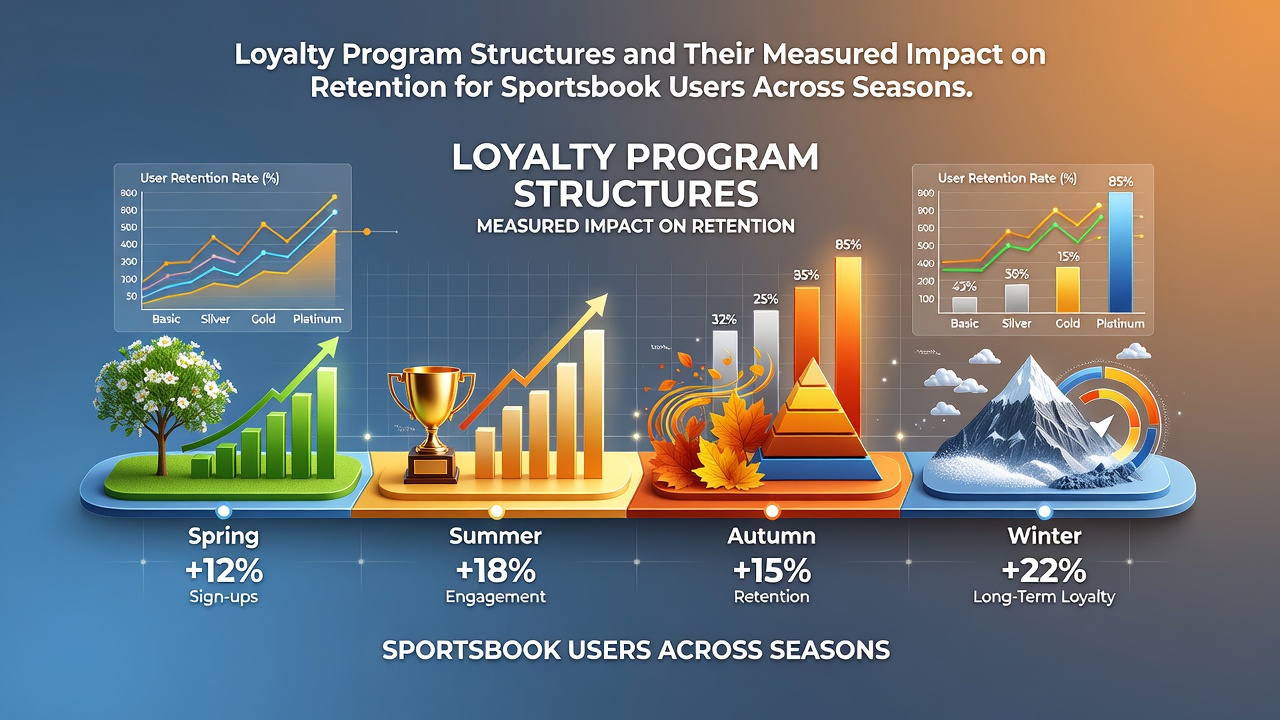
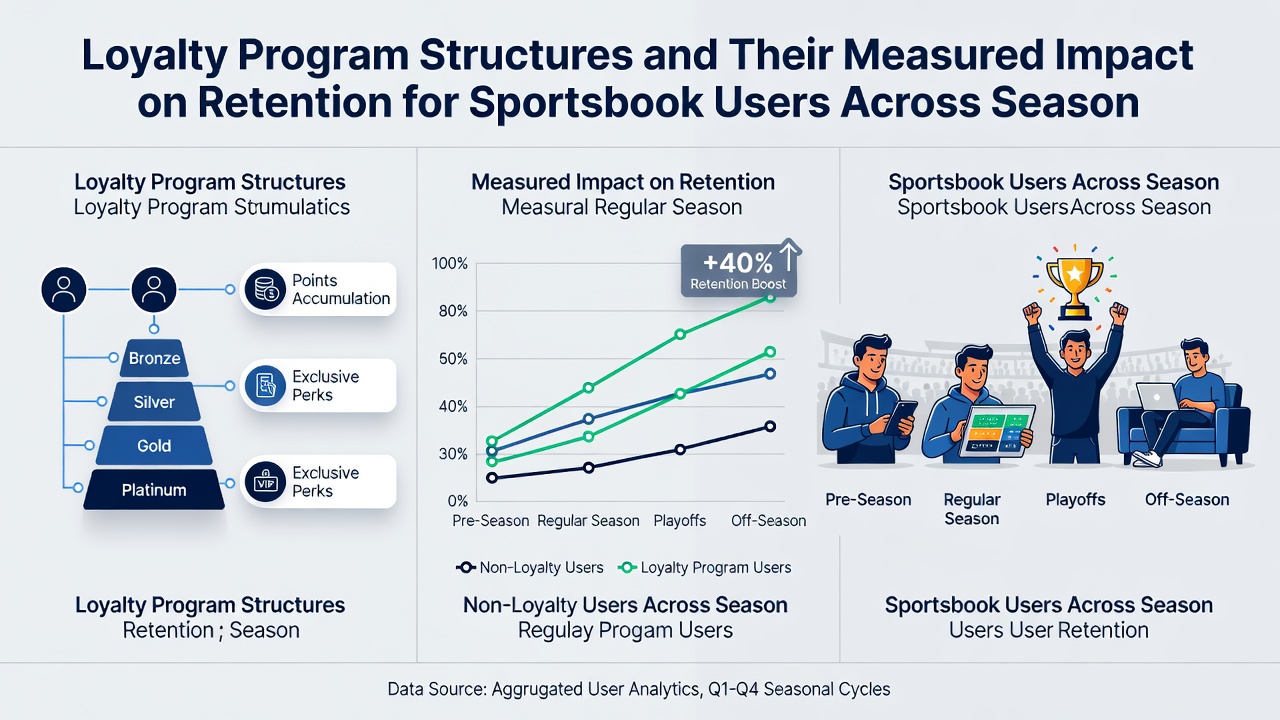
Loyalty programs in sportsbooks operate through tiered points systems, cashback mechanisms, and personalized bonuses that adjust based on user activity levels throughout the year. These structures collect data on betting frequency, stake sizes, and sport preferences to segment users into categories such as bronze, silver, gold, and platinum. Points accumulate from wagers placed on major leagues, with multipliers applied during peak periods like football season or basketball playoffs, and the systems reset or carry over depending on operator policies. Data from multiple markets shows that users enrolled in these programs maintain accounts longer when rewards align with seasonal shifts in betting volume. Operators track retention through metrics including monthly active users, average session duration, and churn rates calculated at the end of each quarter. Research from academic institutions indicates that tiered loyalty models produce higher retention in high-volume seasons compared to flat reward structures, because progressive benefits encourage consistent engagement even when individual sports events slow down. For instance, summer months with fewer major fixtures see reduced activity unless programs offer cross-sport incentives or virtual betting options that maintain point accrual.Core Components of Loyalty Program Designs
Points-based accumulation forms the foundation for most sportsbook loyalty setups, where every dollar wagered converts to credits redeemable for free bets or merchandise. Cashback tiers return a percentage of losses on a weekly or monthly basis, with higher rates unlocked at elevated status levels, and these percentages often increase during off-peak months to offset lower natural betting traffic. Seasonal promotions layer on top, such as double points for baseball wagers in spring or bonus multipliers for tennis during summer tournaments, while data integration allows operators to send targeted offers based on past participation in specific leagues.
Personalization engines analyze user history to deliver tailored rewards, including birthday bonuses or event-specific free bets that appear automatically in user accounts. Operators in North American markets have documented retention lifts when these elements combine with mobile app notifications timed around season starts, and similar patterns appear in European and Asian jurisdictions where regulatory frameworks permit such data usage.
Retention Data Across Different Seasons
Figures from industry reports reveal that retention rates climb during primary seasons like autumn football and winter basketball, reaching peaks when loyalty tiers deliver immediate value through accelerated point earning. In contrast, transitional periods such as late spring see measurable drops unless programs introduce bridging rewards that carry points forward or convert them into credits for emerging sports like cricket or golf. One study conducted across multiple operators found that users in loyalty programs showed 18 percent lower churn during summer compared to non-enrolled bettors, attributed to targeted offers that sustained engagement.
August 2026 marks the start of several major leagues, and operators have scheduled loyalty resets or enhanced welcome tiers to capture returning users at that point. Historical patterns indicate that programs with carry-over points from prior seasons achieve stronger re-engagement numbers when new campaigns launch, because users retain status benefits without starting from zero. Australian regulatory data and reports from the Canadian Gaming Association both highlight how cross-season tracking reduces drop-off by maintaining continuity in reward access.
Comparative Performance in Varied Markets
European operators emphasize accumulator bonuses within loyalty frameworks, which boost retention during multi-week tournaments by rewarding combined bets across football and rugby fixtures. North American platforms focus more on cashback and free bet credits tied to individual sport seasons, with data showing stronger results when rewards sync with NFL or NBA calendars. Observers note that hybrid models blending both approaches produce steadier year-round retention, because users receive value regardless of which sports dominate at any given time.
University research projects have examined these differences through longitudinal tracking, revealing that users advance through loyalty tiers faster when seasonal multipliers apply, and this progression correlates with extended account lifespan. Programs that adjust reward frequency based on regional sport calendars, such as increased cricket incentives in Australia during their summer, demonstrate similar retention stability across hemispheres.
Conclusion
Loyalty program structures influence retention for sportsbook users by aligning rewards with the natural rhythms of sports seasons, using points, cashback, and personalization to maintain activity levels even during quieter periods. Data collected across markets demonstrates measurable differences in churn and engagement when these elements adapt to seasonal patterns, with carry-over mechanisms and targeted offers playing key roles at transition points like August 2026 league restarts. Operators continue to refine these systems based on performance metrics that track user behavior over full annual cycles.