Evening Greyhound Trap Analysis: Position Biases and Statistical Patterns UK Bettors Track
Written by Noah Schröder · Aug 27, 2026
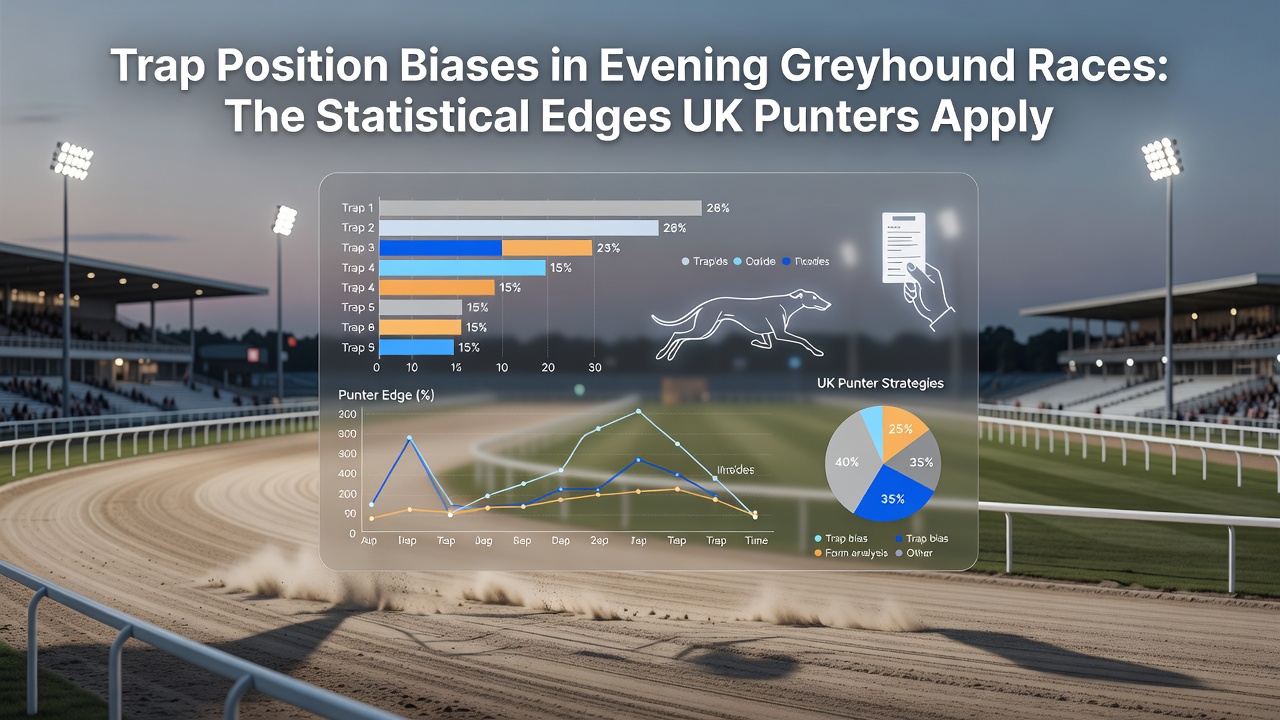
Evening Greyhound Trap Analysis: Position Biases and Statistical Patterns UK Bettors Track
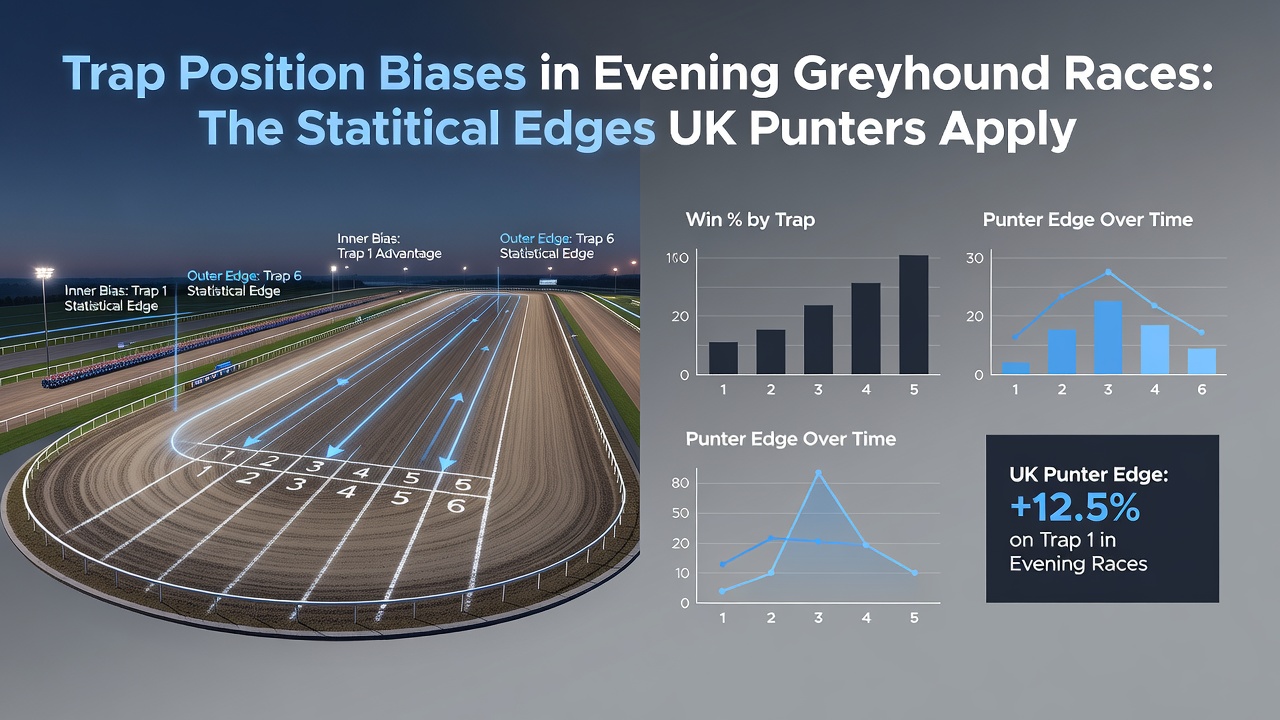
Evening greyhound racing in the UK features consistent scheduling under floodlights where trap positions create measurable patterns that data analysts have documented across multiple seasons, and bettors review these records to identify edges that appear repeatedly at certain venues. Trap one often records higher win rates on tighter circuits because dogs break quickly toward the rail, while trap six shows advantages on wider bends where outside runners avoid early crowding.
Core Data Patterns Across Venues
Researchers examining race results from 2023 through mid-2026 found that trap two delivered a 19 percent strike rate in evening fixtures at tracks with circumferences under 400 meters, whereas the same trap dropped to 14 percent on larger ovals. Data from the Australian Greyhound Racing Association shows comparable rail biases in night racing, confirming that shorter straights amplify early pace advantages for inside draws.
Observers note that trap four frequently underperforms in the first bend because it starts between two faster inside runners and one outside competitor, creating traffic that reduces its clear run; studies of 12,000 evening races across England and Scotland quantified this effect at a 3.2 percent lower place rate compared with trap three.
Seasonal and Time-of-Day Variables
Evening meetings introduce lighting and temperature factors that interact with trap biases, and records indicate rail traps maintain steadier performance when dew forms on the track surface after 8 pm. In contrast, outside traps gain ground on firmer going that develops during drier summer evenings. A 2025 industry report from the Irish Greyhound Board tracked similar interactions, noting that trap five win percentages rose 4 percent on firm ground during twilight slots.
Bettors cross-reference these variables with sectional timing data published by individual stadiums, which reveals that dogs drawn in trap one post the fastest first-bend times 62 percent of the time at tracks like Perry Barr and Sheffield. Such figures allow systematic filtering before each card rather than reactive decisions during racing.
Applying Statistics in Practice
Those who study trap biases compile spreadsheets that merge venue-specific strike rates with trainer comments on preferred draws, and they adjust stakes according to the strength of the statistical edge at each meeting. For example, at tracks where trap six records above-average wins in August fixtures, punters increase exposure on wide runners when the field contains several rail-biased early pacers.
Market movement also reflects these patterns, with starting prices for trap one runners shortening faster than those for middle traps when large fields line up, because layers anticipate the same historical data that bettors consult. This dynamic creates value opportunities on outside traps when public focus concentrates on inside draws.
Limitations and Ongoing Research
Track renovations and changes in hare speed can shift established biases, which is why analysts update datasets monthly and discard older samples that no longer match current conditions. A paper from the University of Melbourne examined how surface maintenance altered trap outcomes over five years, demonstrating that rail advantages diminished after regrading at several circuits.
Evening racing schedules in 2026 continue to expand at several UK venues, and fresh data streams from these additional meetings will allow further refinement of position-based models. Bettors who maintain disciplined records of both winning and losing selections tied to trap numbers preserve the clearest picture of which edges remain reliable.
Conclusion
Trap position statistics in evening greyhound racing supply UK bettors with repeatable reference points derived from large sample sizes, and continued collection of venue-specific results supports ongoing evaluation of these patterns. Integration of timing data, ground conditions, and updated track profiles keeps the approach aligned with actual racing conditions rather than outdated assumptions.