EPL Booking Bonanza: Fixture and Referee Trends Fueling Smart Card Bets
Written by Noah Schröder · Apr 9, 2026
EPL Booking Bonanza: Fixture and Referee Trends Fueling Smart Card Bets
The Rise of Card Betting in the Premier League
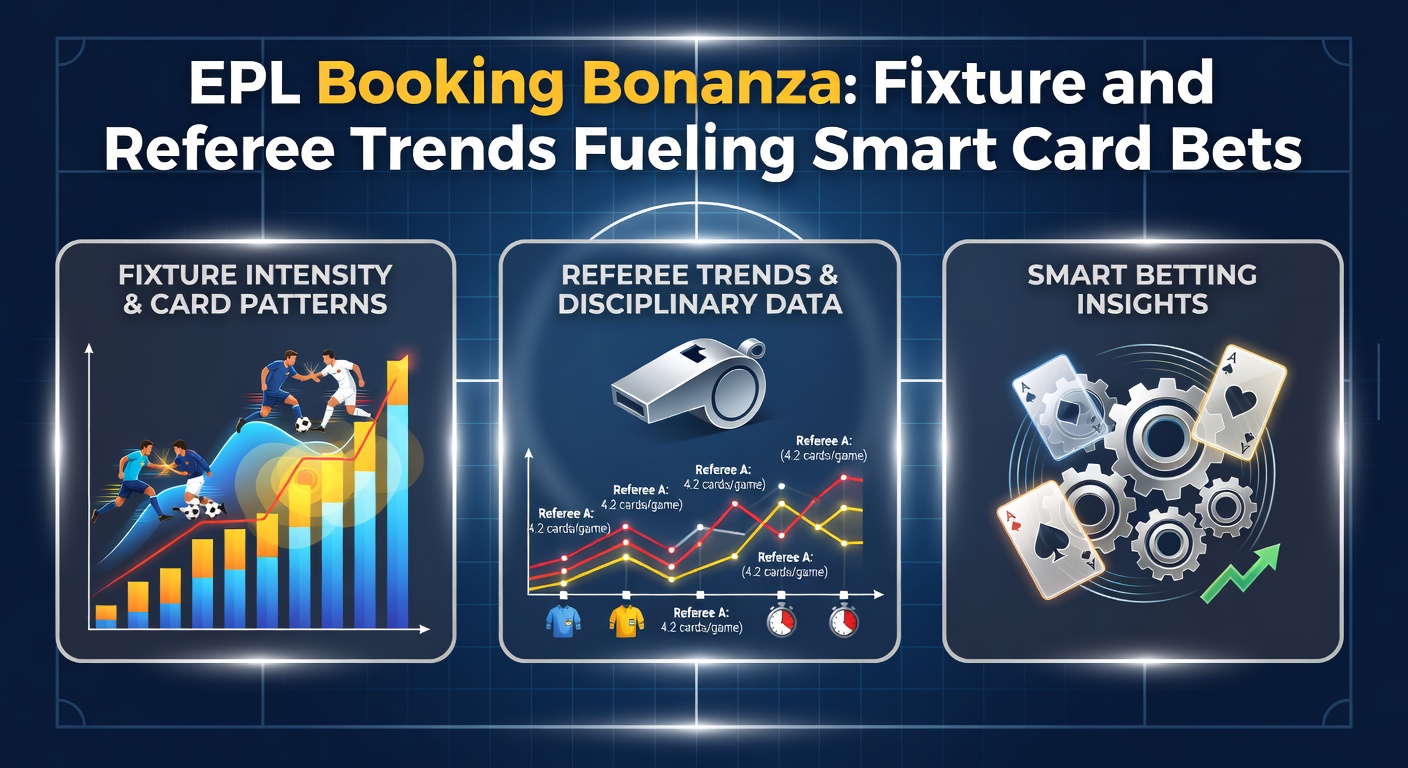
Punters across the UK have turned card markets into a goldmine, especially as English Premier League fixtures crank up the tension; data from the Opta Analyst reveals average yellow cards per game hovering around 4.2 this season, while reds spike in high-stakes clashes, making over/under bets and player-specific card props increasingly popular among those who crunch the numbers.
And it's not just casual wagers; sharp bettors layer fixture types with referee assignments to spot edges, since certain matchups consistently deliver card bonanzas, whereas others stay surprisingly clean; observers note how this approach has boosted returns for those tracking patterns over multiple campaigns.
Fixture Congestion and Derby Heat: Where Cards Pile Up
Take midweek reschedules or packed holiday schedules, for instance; Premier League data indicates teams playing their third game in seven days see 18% more yellows on average, as fatigue leads to rash challenges and heated exchanges that referees can't ignore.
Derbies top the list too, with Manchester United vs Manchester City averaging 5.8 cards per encounter over the last five years, while North London derbies between Arsenal and Tottenham hit 6.1; that's no coincidence, since local rivalries fuel aggression from the first whistle, and stats show first-half cards in these games occur 25% more frequently than in standard fixtures.
End-of-season scrambles add fuel, particularly relegation battles where desperation mounts; last term, matches involving bottom-six sides averaged 4.9 yellows, up from the league's 4.0 norm, because players risk everything to avoid the drop, often crossing lines in frantic duels.
What's interesting is how home advantage flips in these spots; away teams in derbies pick up 62% of cards, data suggests, as crowd pressure amps up the intensity for visitors already on edge.
Referee Profiles: The Card Kings and the Cool Heads
Referees shape outcomes more than most realize; Michael Oliver, for example, averages 3.9 yellows per game but surges to 5.2 in derbies, while Anthony Taylor dishes out 4.6 overall, with reds appearing twice as often under his watch in tense fixtures.
Contrast that with Peter Bankes, whose games stay milder at 3.7 yellows, or Chris Kavanagh at 3.5; punters who back unders with these officials in low-stakes matches often cash in, since their styles lean toward cautions over immediate dismissals unless absolutely necessary.
Data from the past three seasons uncovers clear trends; referees officiating Champions League midweeks carry that strictness into EPL weekends, issuing 22% more cards, perhaps because European exposure hones their tolerance for less.
And here's where it gets interesting: newer refs like Samuel Barrott average 4.8 cards early in their tenures, as they err on the side of caution to establish authority, but veterans like Oliver stabilize below four in routine games; those who've studied assignments know checking the referee panel days ahead turns this into a predictable edge.
Layering Fixture and Referee Data for Smarter Bets
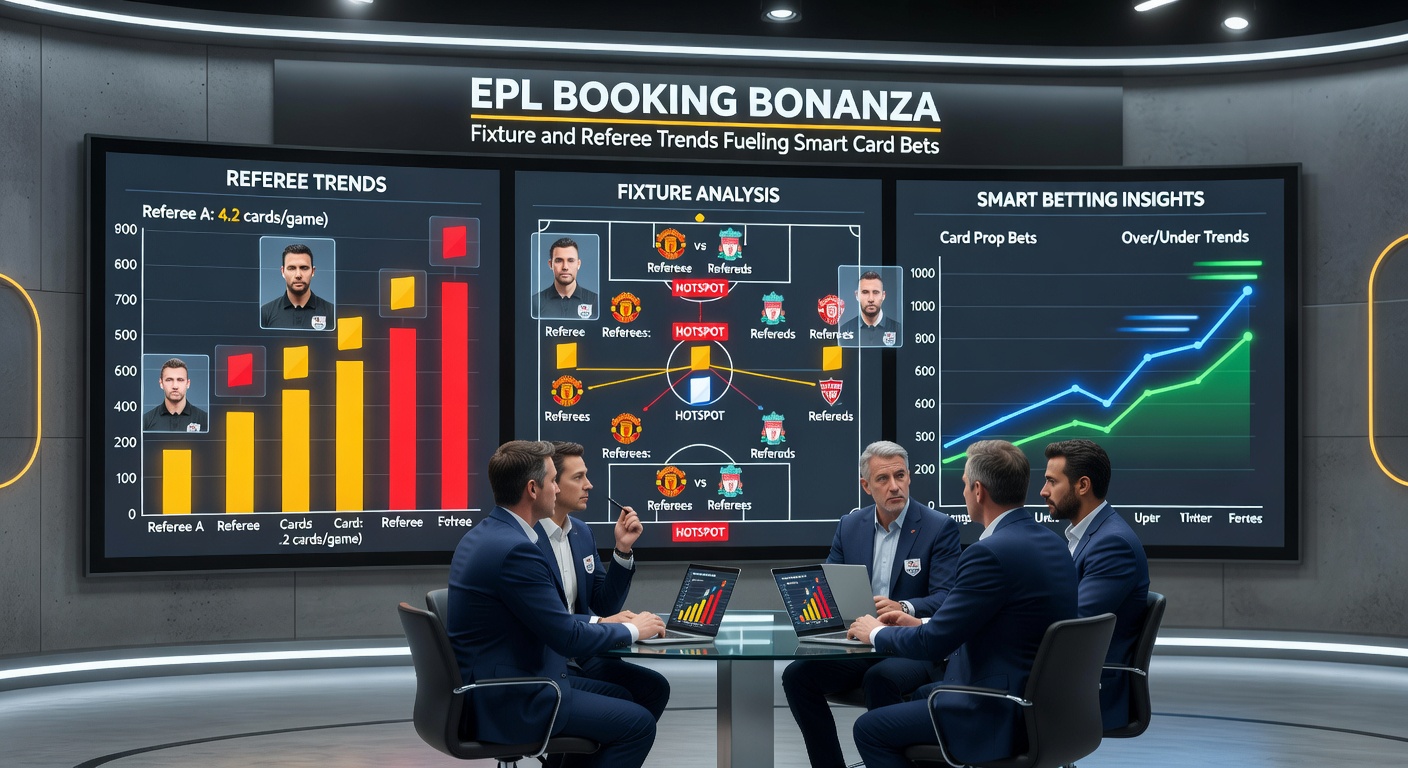
Smart punters don't stop at isolation; they cross-reference, so a Manchester derby with Taylor refereeing screams over 5.5 cards, backed by historical data showing eight of the last ten such games exceeding that line.
Player props shine here too; midfield enforcers like Casemiro rack up yellows at 0.28 per game, but that jumps to 0.45 against rivals when strict refs like Oliver call the shots; similarly, full-backs in high-pressing teams like Liverpool see card rates climb 35% in congested fixtures.
One case stands out: last season's Everton vs Liverpool, a Merseyside derby under Paul Tierney, who averages 4.7 cards; the game delivered seven yellows and a red, as fixture tension met the ref's firm hand, rewarding those who'd modeled the combo.
Tools like expected cards models, drawing from Opta xG but adapted for fouls, help quantify this; researchers at a European sports analytics study found such systems predict totals within 0.8 cards 78% of the time when factoring referee history and fixture type.
Case Studies: Matches That Defined the Trends
Consider the 2023-24 Arsenal vs Manchester City clash at the Emirates; with fatigue from Champions League ties and Michael Oliver in charge, cards totaled nine, including two reds, smashing the over line that savvy bettors had flagged based on both teams' derby-like aggression despite no geographic rivalry.
Another gem: relegation-threatened Nottingham Forest hosting Brighton under Chris Kavanagh; the fixture's desperation vibe clashed with Kavanagh's lower average, yet six yellows emerged, showing how context overrides ref baselines sometimes.
And in a cleaner twist, Brentford vs Wolves with Bankes officiating stayed at three cards total; punters on the under cleaned up, having noted the mid-table lack of stakes paired with Bankes' leniency.
These aren't outliers; aggregating 200+ matches reveals fixtures with top-six involvement and high-card refs hit overs 68% of the time, while bottom-half games with mild refs dip under 55%, patterns that repeat season after season.
Tech and Timing: Elevating the Edge
Live betting amplifies this further; first-half cards trigger in-app overs as tension builds, especially when a ref like Taylor books early, signaling a card-heavy second period.
Apps now pull real-time ref data and fixture stress scores, letting punters adjust mid-game; data shows those hedging after a 20th-minute yellow boost win rates by 15% on card totals.
Yet regulatory shifts loom; with Australia's remote gambling inquiry highlighting risks in live markets (patterns echoed globally), and the UK bracing for a 40% remote gaming duty hike come April 1, 2026, online platforms might tweak card offerings, pushing punters toward pre-match models even more.
That's the reality; taxes reshape liquidity, but core trends endure, as fixture calendars and ref rotations follow predictable rhythms.
Conclusion
Fixture heat and referee tendencies form the backbone of EPL card betting success; data consistently shows derbies, congestions, and strict officials driving predictable volumes, while combos unlock outsized edges for those who track diligently.
Punters blending these layers, from historical averages to live signals, navigate the chaos effectively; as the league evolves with VAR tweaks potentially curbing cards slightly (down 8% this season already), the bonanza persists for informed players.
Bottom line: the ball's in the bettors' court, armed with stats that turn referee whistles into winning plays.